

I remember a client calling me late at night, completely stressed. His business email had been hacked, and someone was sending fake invoices to his customers. The scary part was that his password was actually strong. It had numbers, symbols, everything you’re told to use. But that didn’t matter because the attacker still got in, and the damage was already done by the time he reached out to me.
That situation is exactly why I keep telling people that passwords alone are no longer enough. It doesn’t matter how smart or careful you are. The internet has changed, and the way people get hacked has changed too. Today, attackers don’t just guess passwords. They steal them, trick people into giving them away, or grab them through data leaks from other sites you’ve used before.
Two-factor authentication, or 2FA, is no longer something extra. It’s the basic level of protection everyone should have right now. If you’re still relying on just a password, you’re basically leaving your door locked but your window wide open.
The Day I Stopped Trusting Passwords Alone
There was a time I used to think strong passwords were enough. I had long combinations, different passwords for different accounts, and I felt secure. Then I started seeing real cases. People losing access to their social media accounts, businesses getting locked out of their own systems, even personal emails being taken over and used for scams.
One case hit me hard. A friend lost his Instagram account that he had built for years. It was his side hustle, his income, and his brand. Someone got access through a phishing link that looked exactly like a login page. The moment he typed in his password, it was game over. If he had 2FA turned on, that attacker would have been stopped immediately.
That’s when it clicked for me. Passwords are not the final barrier anymore. They are just the first step.
What Two-Factor Authentication Actually Does
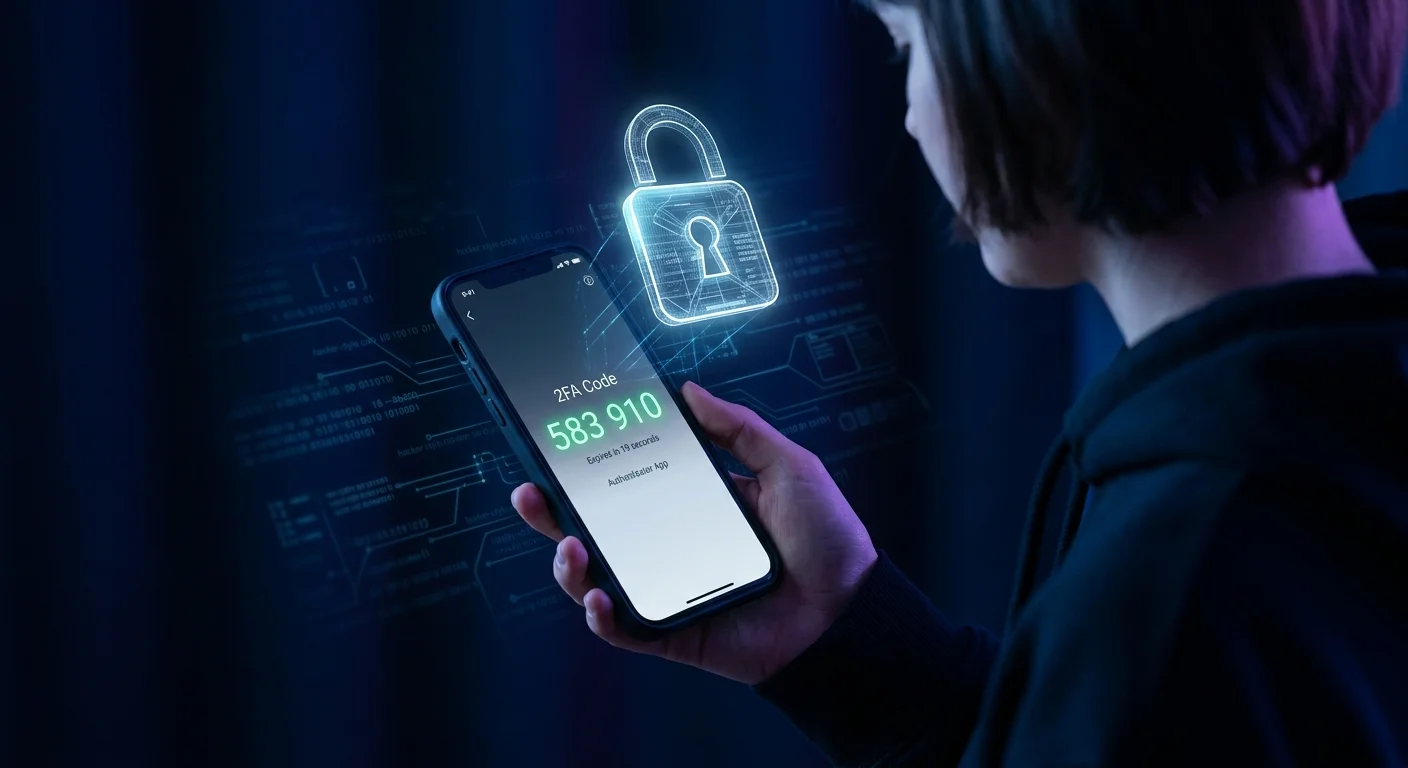
Think of 2FA like a second lock on your door. Even if someone somehow gets your password, they still need another piece of proof to get in. That could be a code sent to your phone, a prompt on an app, or even a fingerprint or face scan depending on the system.
I like to explain it in a simple way. Your password is something you know. The second factor is something you have or something you are. When you combine those, it becomes much harder for anyone to break in. Even if your password gets leaked somewhere, the attacker still hits a wall.
I’ve seen this in action many times. A hacker tries to log in using stolen credentials, but the system asks for a code sent to the real owner’s phone. That’s where the attack stops. No drama, no damage.
Why Hackers Love Accounts Without 2FA
Most attackers are not targeting you personally. They are running automated attacks on thousands of accounts at once. They use lists of leaked emails and passwords and try them across different platforms. This is called credential stuffing, and it works more often than people realize.
When an account doesn’t have 2FA, it becomes an easy win. No extra barrier, no extra effort. Hackers go for the easiest targets first, just like a thief checking which doors are unlocked. If your account has that extra layer, they usually move on to the next victim.
I’ve worked with businesses that only realized this after something went wrong. They assumed they were too small to be targeted. But attackers don’t care about size. They care about opportunity.
The Mistake Most People Make
A lot of people think setting up 2FA is complicated or unnecessary. Some even say it’s annoying because it adds an extra step when logging in. I get that. Nobody likes extra friction when they just want to check their email or log into an app.
But here’s the reality. That small inconvenience is nothing compared to losing your account. Imagine waking up and finding out you can’t access your email, your social media, or even your business dashboard. Recovery can take days, sometimes weeks, and in some cases, you never get full access back.
I’ve had to help people rebuild from scratch because they didn’t have proper security in place. That’s a situation you don’t want to experience.
Where You Should Start Today
If you’re wondering where to begin, start with the accounts that matter most. Your email should be first because it’s the key to almost everything else. Then your social media accounts, especially if you use them for business or personal branding. After that, look at your banking apps, cloud storage, and any platform where your personal data lives.
Most platforms today make it easy to enable 2FA. You go into settings, find security, and turn it on. I always recommend using an authenticator app instead of just SMS when possible. It’s more secure and less likely to be intercepted.
The setup usually takes a few minutes, but that small effort can save you from a huge problem later.
Why I Don’t Compromise on This Anymore
These days, I don’t create or manage any account without enabling 2FA. Whether it’s for a client, a project, or my own personal use, it’s just part of the process. I’ve seen too many preventable cases to take chances.
Security is not about being paranoid. It’s about being prepared. The internet is full of opportunities, but it also comes with risks that most people underestimate until it’s too late.
If there’s one thing I’d tell you to do after reading this, it’s this. Go check your accounts and turn on two-factor authentication where it’s missing. It’s one of the simplest decisions you can make today that your future self will be grateful for.