

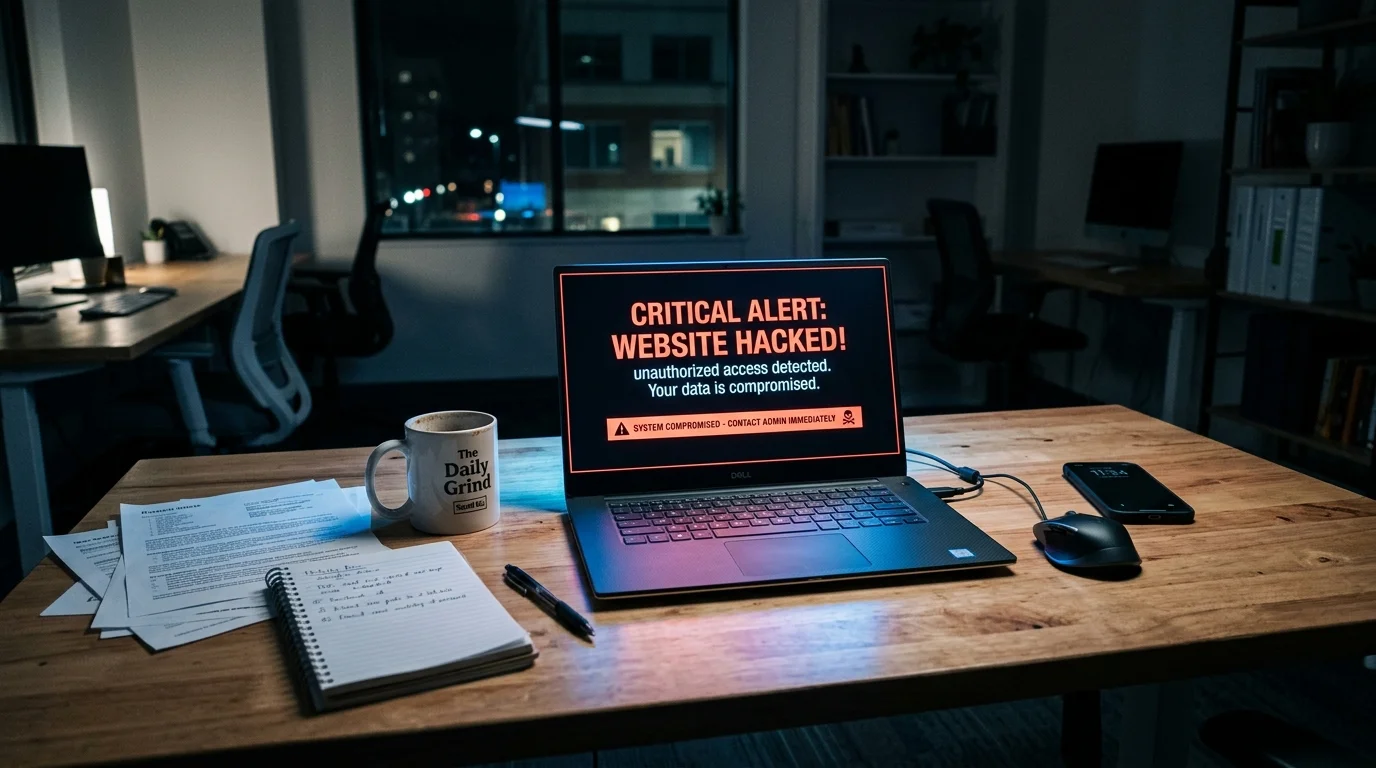
How Small Businesses Get Hacked (And How to Stop It)
I have worked with small businesses long enough to notice one painful pattern. Most people think hackers only go after big companies with millions in the bank. The truth is the opposite. Small businesses are easier targets, and attackers know it. I have seen local shops, startup blogs, and even small service websites go down overnight because of simple mistakes that could have been avoided.
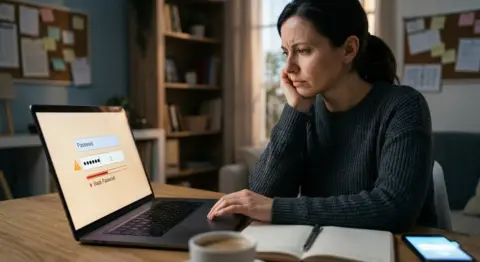
One of the most common ways small businesses get hacked is through weak passwords. I once helped a friend recover his website after it got taken over, and the password was something as simple as his business name followed by 123. It sounds unbelievable until it happens to you. Hackers use automated tools that try thousands of password combinations in seconds. If your password is weak, it is only a matter of time before someone walks right in like they own the place.
Another major entry point is outdated software. Many small business owners install a website or app and forget about updates completely. I get it. You are focused on running your business, not babysitting your website. But those updates are not just for new features. They fix security holes that hackers are actively looking for. I have personally seen WordPress sites get infected just because a plugin had not been updated for months.
Phishing is another silent killer that many people underestimate. This is where someone tricks you into giving away your login details by pretending to be a trusted service. I remember a client who received an email that looked exactly like it came from their hosting provider. They clicked the link, entered their details, and within minutes their entire website was compromised. It was not a technical hack. It was just manipulation.
The Reality of Being Unprepared
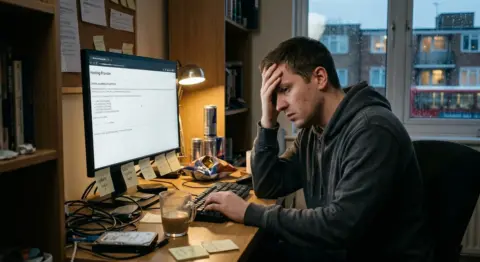
Most small businesses do not think about cybersecurity until something goes wrong. That is the harsh truth. When everything is working fine, security feels like an extra cost or something to deal with later. But when a website gets hacked, the damage is immediate. Customers lose trust, data can be stolen, and sometimes the site gets blacklisted from search engines.
I once worked with a small online store that lost all its customer data because there were no backups. Imagine waking up and realizing your entire business history is gone. Orders, contacts, everything. That situation could have been avoided with something as simple as automated backups. It is not about being paranoid. It is about being prepared.
Simple Ways to Protect Your Business
The good news is that stopping most of these attacks does not require advanced technical skills. It starts with doing the basics properly. Use strong passwords that are hard to guess. Not just for your website, but for your email, hosting account, and any admin panel you use. If remembering them feels hard, use a password manager. It is way better than risking everything.
Keeping your systems updated is another habit that makes a huge difference. Whether it is your website platform, plugins, or even your phone and laptop, updates close the doors that hackers try to use. I always tell people to treat updates like locking your shop at night. You would not leave your door open and hope for the best.
Enabling two factor authentication adds another layer of protection that many people ignore. Even if someone gets your password, they still cannot access your account without the second verification step. I have seen this one feature save accounts that would have otherwise been lost.
Backing up your data regularly is something I cannot stress enough. Do not rely on hope. Set up automatic backups so that even if something goes wrong, you can restore your system quickly. It gives you peace of mind and keeps your business running without long interruptions.
It Is Not About Fear, It Is About Awareness
Cybersecurity does not have to be complicated or scary. Most attacks happen because of small oversights that add up over time. When you understand how these things happen, you start seeing the gaps before someone else does. That is where real protection begins.
From my experience, the businesses that stay safe are not the ones with the most expensive tools. They are the ones that stay aware and take simple steps seriously. If you treat your digital presence like a real asset, you will naturally protect it better.
At the end of the day, your website, your data, and your online systems are part of your business foundation. Ignoring security is like building on sand. You might not notice the problem immediately, but when things go wrong, they go wrong fast.